Hummus Recipe (Easy, Creamy & Authentic)
Servings: 6 people
- 2 cans chickpeas (15 oz / 400 g each), or 3 cups / 460 g cooked, or 1 cup / 200 g dried + 2 teaspoons baking soda
- ⅓ cup (80 g) aquafaba chickpea cooking liquid or liquid from the cans, chilled
- ⅓ cup (80 g) tahini preferably light in color, silky, and pourable, made from hulled sesame seeds
- ¼ cup (60 g) cold water plus more as needed
- 2 tablespoons lemon juice freshly squeezed
- 1 tablespoon olive oil extra virgin
- ½ clove garlic
- ½ teaspoon ground cumin optional
- ¾ teaspoon salt plus more to taste
- 1 tablespoon flat-leaf parsley chopped, for garnish
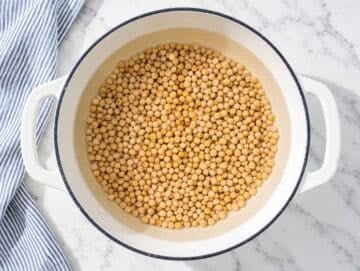
- Prepare the chickpeas: The chickpeas should be very soft, almost falling apart, and cold before blending.For canned chickpeas, use them as-is if very soft. If firm, boil them with their liquid for about 15 minutes until very tender. Cool, then refrigerate in their liquid.For dried chickpeas, soak them in plenty of water for 24 hours. Drain and rinse, then cover with fresh water by about 4 inches (10 cm) and add the baking soda. Boil for about 2 hours, until almost falling apart. Cool, then refrigerate in their cooking water.
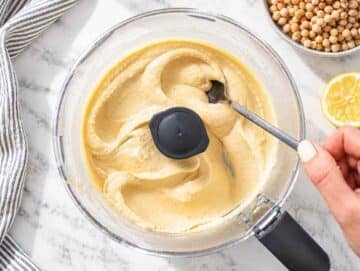
- Blend the hummus: Set aside a few chickpeas for serving.Add 2 cans chickpeas, ⅓ cup aquafaba, 2 tablespoons lemon juice, ½ clove garlic, and ¾ teaspoon salt to a food processor. Blend for 3 minutes, scraping down the sides as needed.Add ⅓ cup tahini, ½ teaspoon ground cumin, and half the cold water. Blend for 2 minutes.Add 1 tablespoon olive oil and blend for 2 more minutes, adding more cold water as needed until smooth, creamy, and easy to spread. Taste and adjust salt and lemon juice.
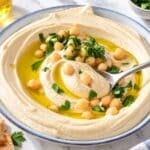
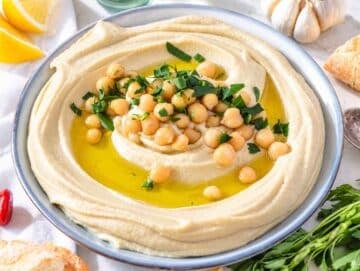
- Garnish and serve: Spread the hummus on a plate or shallow bowl and make a swirl with the back of a spoon.Drizzle with extra virgin olive oil and top with the reserved chickpeas and flat-leaf parsley. Serve with warm pita, falafel, or fresh vegetables.
Substitutions
- Chickpeas → Small dried chickpeas or canned chickpeas simmered until very soft.
- Baking soda → Use when cooking dried chickpeas; add a pinch when simmering firm canned chickpeas.
- Aquafaba → Cold water.
- Tahini → Any tahini works; if thick, dark, or gritty, add extra cold water as needed.
- Lemon juice → A small pinch of citric acid dissolved in water.
- Extra virgin olive oil → Use a mild, good-quality extra virgin olive oil.
- Garlic → Omit if needed.
- Ground cumin → Optional; omit if preferred.
- Salt → Adjust to taste.
- Flat-leaf parsley → Cilantro or omit.
- Cook chickpeas until very soft: They should be almost falling apart for the smoothest hummus.
- Choose small chickpeas: They tend to have thinner skins and blend more smoothly.
- Use baking soda: It helps dried chickpeas soften and break down.
- Skip peeling when possible: Very soft, small chickpeas usually don’t need peeling; larger, thick-skinned ones may benefit from it.
- Use good tahini: Light, silky, pourable tahini made from hulled sesame seeds gives the creamiest result.
- Keep it cold: Chill the chickpeas and aquafaba before blending.
- Save the aquafaba: It adds chickpea flavor while helping loosen the hummus.
- Blend for at least 7 minutes: Long blending and adding ingredients in stages create a light, silky texture.
- Add water gradually: Use cold water as needed until creamy and easy to spread.
- Go easy on garlic and cumin: Their flavors become stronger as the hummus rests.
- Taste at the end: Adjust lemon and salt after blending.
- Expect some thickening: Fresh hummus can be slightly looser because it firms up as it chills.
- Serve simply: Finish with olive oil, chickpeas, and parsley.
- Store properly: Refrigerate in an airtight container for 4 to 5 days, or freeze for up to 3 months.
